
The first U.S. city to outlaw algorithmic "surveillance pricing" at grocery stores — here's what it actually bans
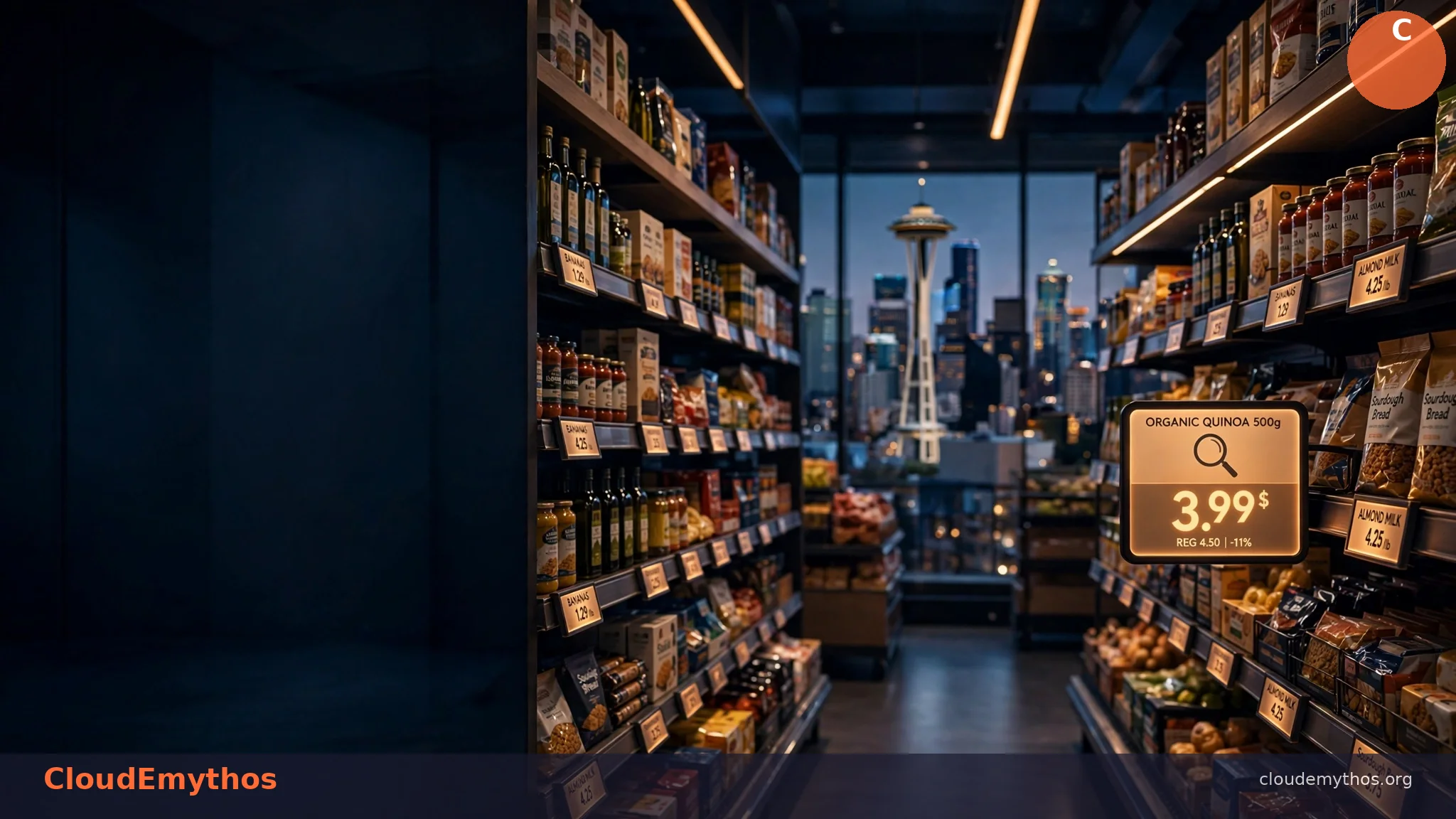
Seattle just drew the first bright line in America between everyday discounts and algorithmic price manipulation. On October 5, 2026, Mayor Katie B. Wilson signed the Fair and Transparent Pricing Ordinance into law, making Seattle the first U.S. city to ban grocery retailers from using shoppers' personal data and AI systems to set individualized prices. Two customers standing at the same shelf will have to see the same number.
⚡ The Facts at a Glance
- Passed: September 22, 2026 — Seattle City Council, 7–2 vote (Council Bill 121267)
- Signed: October 5, 2026, by Mayor Katie B. Wilson (Ordinance 127515)
- Takes effect: September 1, 2027
- Covers: Large grocers (20+ locations globally) and delivery platforms
- Penalty: Civil penalties starting at $3,000 per violation, rising to $10,000 for repeat offenses
What Seattle Banned — Exactly
The law doesn't ban all dynamic pricing or every AI system in a store. It targets a specific practice: algorithmic price discrimination using personal information. Covered retailers may not use your personal data — or automated systems analyzing it — to decide what price you personally see.
🚫 The Data That Can No Longer Set Your Price
The ordinance bars using browsing history, real-time location, employment status, race, gender, health conditions, family size, social-media activity, chatbot conversations, biometric data, and demographic characteristics to set individual prices or discounts for covered goods.
🏪 Who Has to Comply
The ban applies to grocery businesses with 20 or more retail locations globally, plus mixed-use stores devoting 10,000+ square feet to groceries — and to delivery platforms operating in the city. Small neighborhood stores aren't covered.
✅ What's Still Legal
Traditional coupons, senior and veteran discounts, and other clearly disclosed public prices are untouched. The law bans pricing built around a profile of you specifically — not discounts open to everyone.
How "Surveillance Pricing" Works
The scenario regulators describe: you walk into a store with its app on your phone, and electronic shelf labels show a price calculated from your shopping history, zip code, and other collected data — the most the store's model predicts you'll pay. A different shopper might see a different price for the same item an hour later. Loyalty apps track purchases, websites log browsing, data brokers sell demographic profiles, and models predict each shopper's willingness to pay. Supporters call this "surveillance pricing"; critics of the law note the hardest evidence of this exact practice in groceries remains thin (more below).
Why Seattle Acted
The council's case leaned on affordability and privacy. A 2025 investigation by Consumer Reports, the Groundwork Collaborative, and More Perfect Union estimated that surveillance pricing could add roughly $1,200 a year to the average Seattle family's grocery bill — a figure city officials cited repeatedly. Councilmember Alexis Mercedes Rinck, who introduced the bill with Mayor Wilson, framed it as a check on large grocery chains: with food costs already squeezing households, using private data to fine-tune prices puts profits over people. Labor groups (UFCW 3000, MLK Labor) and consumer organizations (Consumer Reports, TechEquity Action) backed the measure.
The Critics' Case
Honest reporting requires the other side. Critics argue the law targets a problem it hasn't proven exists:
- The Consumer Reports/Instacart case cited by supporters found price differences between shoppers but no evidence personal data caused them — Instacart said the differences came from randomized tests it had already stopped.
- A Kroger investigation found the chain targets discounts using demographic inferences, but cited no evidence that prices were raised based on that data.
The result is an unusual law: an enacted, enforceable framework whose practical boundaries will be worked out through rulemaking and likely litigation after it takes effect. That's not a reason to dismiss it — but it is a reason to read claims on both sides with care.
What This Means for AI Regulation Nationwide
Seattle is first, but not alone. States including Maryland, Connecticut, New York, and New Jersey have pursued their own surveillance-pricing legislation, each with different terminology and requirements — which is exactly why national retailers face a compliance headache. A patchwork of city and state rules may do what no single federal law has: force companies to design pricing systems that can't personalize by personal data at all.
And the underlying question goes beyond groceries. Automated systems that make decisions about people from their personal data — pricing, hiring, lending — belong to the same class of systems our beginner's guide to AI agents explains. Whether other cities follow will likely depend on how enforcement plays out after September 2027 — and whether investigators can prove, in real cases, that algorithms actually changed what shoppers paid.
Frequently Asked Questions
Does Seattle's ban affect all grocery stores?
No. It applies to large grocers — businesses with 20 or more retail locations globally — plus large mixed-use stores and delivery platforms. Small neighborhood shops aren't covered.
Are coupons and loyalty discounts now illegal?
No. Traditional coupons, senior and veteran discounts, and clearly disclosed public prices are explicitly protected. The ban targets prices personalized to an individual using their personal data.
When does the law take effect?
September 1, 2027, giving covered retailers roughly eleven months to bring their pricing systems into compliance.
Can shoppers sue under this law?
Yes — the ordinance creates a private right of action for specified injured consumers, with liquidated damages, alongside enforcement powers for the City Attorney.
Seattle's ban is the opening move, not the final word, in the fight over AI-driven pricing. We'll update this article as enforcement rules take shape and other cities and states respond.
More: What Are AI Agents? | ChatGPT vs Claude
Sources
- Seattle City Council, Council Bill 121267 / Ordinance 127515 (September–October 2026)
- Gadget Review, "Seattle Bans AI Grocery Surveillance Pricing in a U.S. First" (October 2026)
- Startup Fortune, "Seattle Becomes First US City to Ban AI Pricing Based on Shopper Data" (October 2026)
- InfoLawGroup LLP, "Clean Up on Aisle Algorithm" (October 2026)
- Reason, "Seattle's 'surveillance pricing' ban targets a problem it can't prove exists" (September 29, 2026)
- FOX 13 Seattle / Q13, council passage coverage (September 2026)
Last updated: October 11, 2026. We'll update this article as the city issues enforcement rules and other jurisdictions respond.

No comments:
Post a Comment